I Got a New Appointment! Stepping into Pioneer Ministry
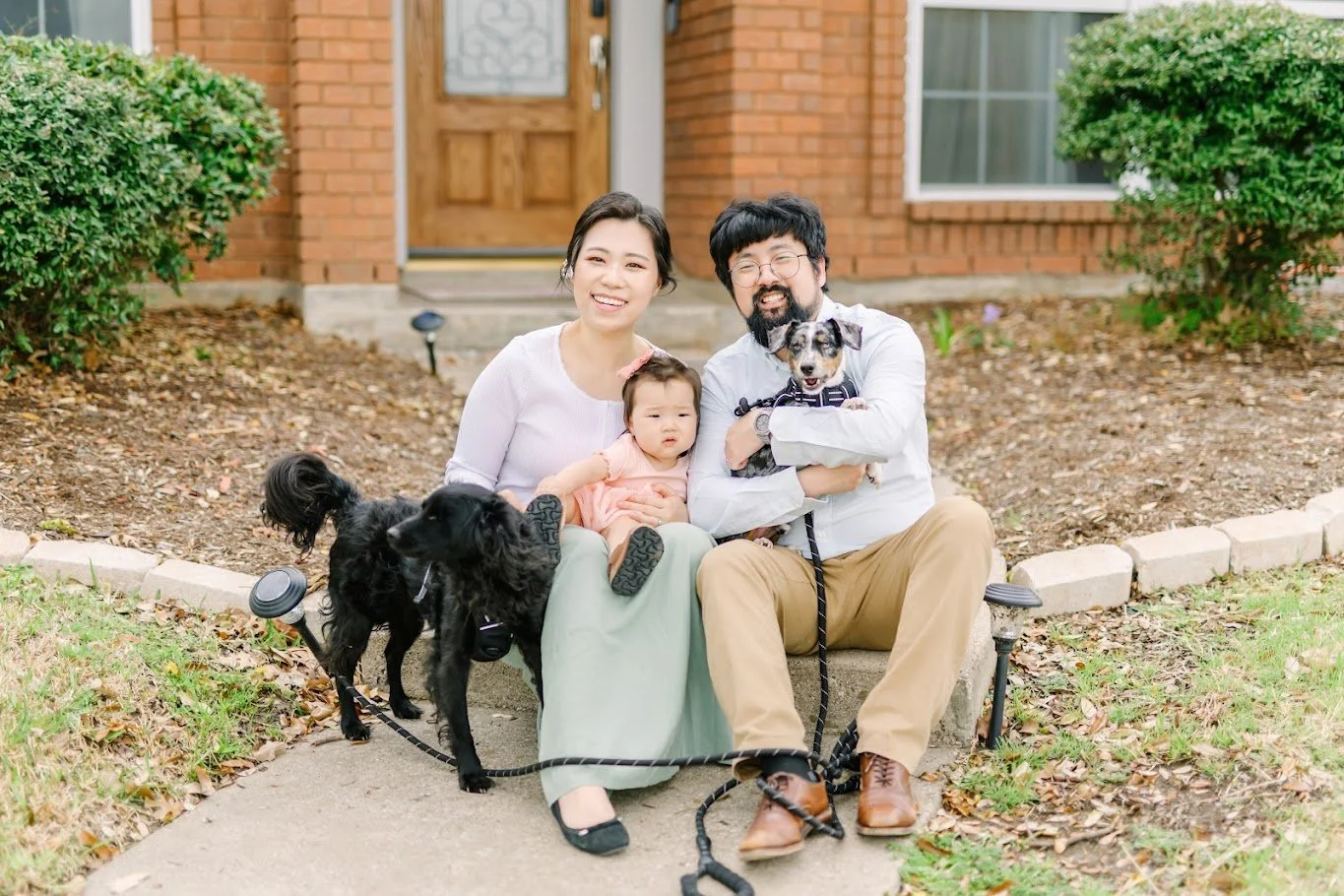
Ever since I was a ministry candidate, I wanted to plant churches. I wanted to be part of creative faith expressions and innovative community formations. I firmly believed and still do believe that there is something special about forming new communities, and the process of forming new communities can perhaps reach parts of communities that we otherwise would never reach. So I had the honor of starting Ka:ll Community (read more about my adventure with Ka:ll Community, click here for Part 1 and click here for Part 2), and became part of the conference staff to help form new faith communities in the legacy North Texas Conference.
So when I got the call about this appointment to become a pioneer to the South Carrollton area, it was quite surprising, and also exhilarating at the same time … except that it won’t be a “church plant”. Pioneer ministry might not be the most familiar church multiplication strategy out there, so I seek to unpack in depth what it is and how I will be engaging in this work in my new role. If you want to skip the deep-dive, then scroll down to the section “Helpful Analogies.” Otherwise, let’s dig in: what on earth is pioneer ministry anyway?
If not a church plant, then what is it?
The term “Pioneer Ministry” was first coined by the Church of England (the birthplace of the Fresh Expression movement) in response to the urgent need to reach people who have little to no connection with traditional, inherited forms of church. The Church of England defines pioneers as “leaders of innovation, with a gift for seeing what God is doing and responding creatively to it.” (1) As they respond to what God is already doing, they connect with those outside the Church, working alongside them to create fresh expressions of church in those places.
Yes, yes, it does sound like church planting, but actually it is very different from the traditional planting model that we are used to. The traditional church planting model was heavily influenced by Donald A. McGavran (1897-1990), a third-generation missionary to India under the Disciples of Christ. In his work The Bridges of God (1955), he introduces a very popular concept “Homogenous Unit Principle (HUP),” which observes that people prefer to become Christians without crossing racial, linguistic or cultural barriers. (2) This concept resonated with many in his time, and along with his many colleagues, McGavran developed the “seed group model” in the world of church planting that most protestants including the United Methodist Church adopted as their primary model of church planting.
So here are some key differences between the traditional church planting model versus pioneer ministry approach.
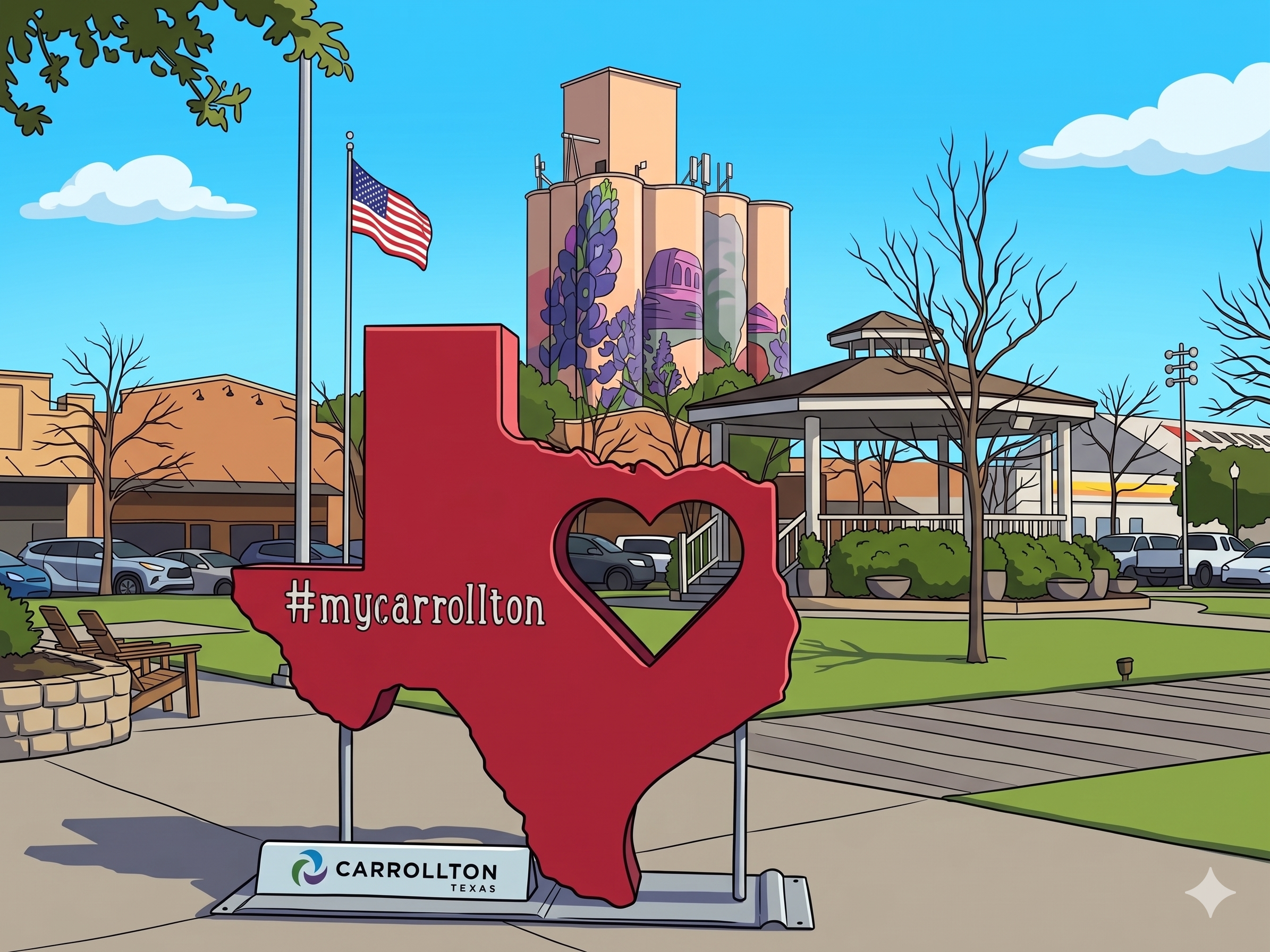
This is a cartoonized image of downtown Carrollton, TX, generated by Gemini AI.
Traditional Planting Model vs. Pioneer Ministry Approach: 4 Key Differences
1. Planter as a Visionary Leader vs. Pioneer as a Ecclesial Entrepreneur
In the traditional planting model or the Seed Group model, the planter is often elevated to the visionary leader who recruits a core team, raises support, develops a launch strategy, and builds a congregation. In pioneer ministry, the planter serves as an ecclesial entrepreneur. Instead of coming into the community with a vision and recruiting adherents, pioneers position themselves as facilitators of the community’s discernment of vision. They are deep listeners of the community’s deepest desires and longings, gifts and graces, unmet needs and pain points, helping the community discern its own call, experiment with forms, and only then identify leadership structure needed. Rev. Joe Graves (a United Methodist planter) calls this “creative connectedness, powerful questions, and feedback loops.” (3) The pioneer serves as an entrepreneur-artist rather than CEO-pastor, helping the community to prototype, experiment, and iterate - which brings us to the next key difference between these two models.
2. Launch vs. Iteration
In the traditional planting model, the process of church planting starts with a small group of committed Christians (typically 12-50 people), intentionally gathered, trained, and deployed as the nucleus of a new congregation. This group serves as the critical mass of leadership, financial giving, and social networks required to launch public worship services. McGavran argued that unchurched people are drawn to meetings and some are converted; new believers study Scripture and grow in faith within the group; and outreach becomes embedded in the group's DNA, leading to natural multiplication. (4) The Seed Group Model adopts the following sequence to plant a church: develop a launch plan, establish funding, implementation, and growth.
Pioneer ministry shifts the focus from public launch to iterative experimentation. Instead of launching worship services or congregations, pioneers continuously experiment and iterate with feedback from the community. The community might try a weekly neighborhood meal, a prayer gathering in a park, a service project, a book club. Some might succeed while others might fail. The community discerns together which experiments to continue, to modify, or to abandon, so that they can continue building a stronger community together.
3. Uprooting of a Seed Group vs. Cultivating the Neighborhood
The traditional planting model often gathers existing congregations- people who are already baptized, already tithing, already in small groups- and redeploys them as the core group of a new church. The members of the traditional church planting launch team are often uprooted to form a seed group (pun intended).
In pioneer ministry, pioneers start not from a core group but with a discernment of where God is already at work in the particular neighborhood or community. They ask questions such as:
Where are the needs, assets, relationships, and rhythms of this place?
Where is the openness to spiritual exploration?
What experiments might reveal whether a Christian community could take root here?
This approach affirms that God is already at work, and asks the question of how we can join in what God is already doing. We see in Scripture that God was already at work with the Ethiopian eunuch, and Philip was called to come alongside (quite literally) the eunuch to be part of God’s grace already at work. (Acts 8:26-40). This is a great biblical example of what pioneers may do, especially on an individual basis, to come alongside the neighbors and what God is doing in their lives.
4. Homogeneity vs. True Diversity
One of the downsides of the traditional church planting model or the Seed Group model is that it is often self-limiting, because it tends to reproduce the demographics of its initial core team. Because it relies on existing social networks, churches planted with a homogenous seed group will most likely stay homogenous (HUP is a great reminder of this). Hence the UMC has been one of the most racially homogeneous major protestant denominations in the States. Many churches struggle to reflect the diversity of their neighborhood (including the church I currently serve). Furthermore, the Seed Group model is most successful in suburban growth corridors, affluent communities, and receptive populations with existing Christian cultural memory. This furthers the lack of true diversity we see in our church to reflect the physical community we belong to.
Pioneer ministry works with the neighbors already there, crossing the boundaries of gender, culture, and even language. Pioneer ministry honors the physical proximity with the neighbors. It is deeply incarnational and monastic. Pioneers work alongside their neighbors, crossing those limiting boundaries to invite all members of the community to contribute to building a stronger community together.
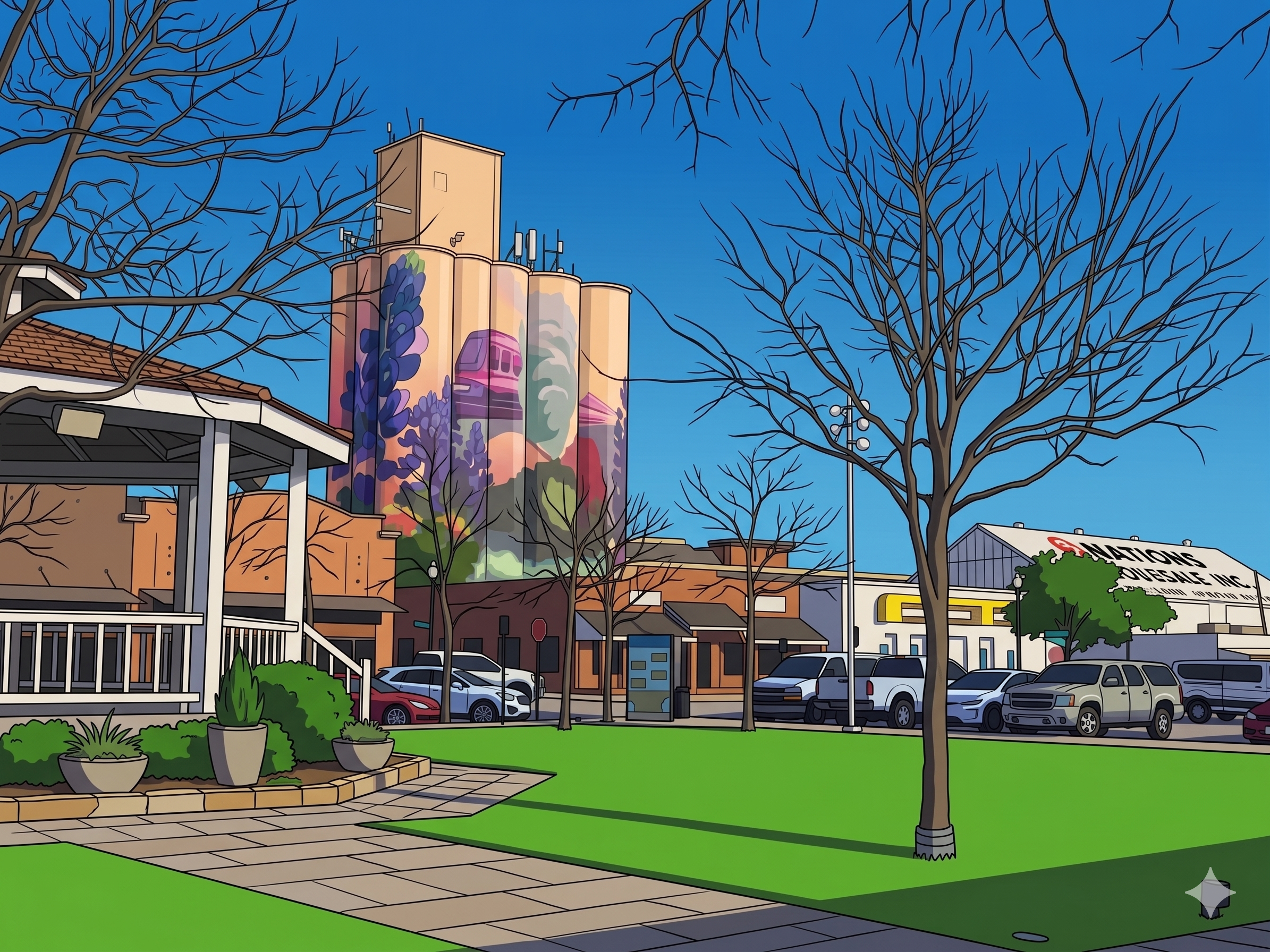
This is a cartoonized image of downtown Carrollton, TX, generated by Gemini AI. This beautiful mural is also visible when you drive northbound on 35E.
Helpful Analogies: Food Truck and Community Garden
1. Restaurant vs. Food Truck (5)
Think of a church as a restaurant. It is a brick and mortar store and it cooks delicious food. There are nicely prepared seats and tables. People come in and enjoy the food. The word might spread and the guests might bring more guests. But they do need to come to the restaurant to enjoy the meal. On the other hand, think of pioneer ministry as a food truck. The food truck goes into the streets of the neighborhood, and it reaches people who may never cross the threshold of a restaurant. It is right there for the local neighbors to enjoy the meal. It is incarnational and proximate to the neighbors.
2. Grocery Store vs. Community Garden
In addition to the food truck analogy, think about a church as a grocery store. It feeds many people in the area, and people might even go to different grocery stores according to their preferences. It is well-organized and efficient. On the other hand, you can think of pioneer ministry as a community garden. A plot in the neighborhood is specifically dedicated and all members of the community are invited to come to the field, work together, contribute together, and harvest together. Imagine a 5-year-old child with her grandmother coming to the community garden and helping her to tend the garden. Imagine a group of teenagers carrying harvest baskets from the plot to the truck during a harvest season. Imagine a master gardener helping a new gardener in this community garden, but all enjoy the produce together. It is co-creating and leverages gifts of all of the community members.
The Need for Mixed Ecology
The purpose of this blog post was not to say that pioneer ministry is superior to the traditional church planting model, but rather to affirm that this kind of approach to church multiplication is much needed to mend the gap in the ways that we multiply. The Church of England coins the term “mixed ecology” to describe how traditional parishes co-exist with fresh expressions, church plants and pioneer ministries. (6) All these expressions of the church are needed to faithfully live out our call to form disciples of Jesus Christ who, empowered by the Holy Spirit, love boldly, serve joyfully, and lead courageously in local communities and worldwide connections. (7)
This is a cartoonized image of Carrollton, TX, generated by Gemini AI.
Frequently Asked Questions
Many have asked me so many questions about this appointment and I selected the most frequently asked questions to answer your burning questions! (Thank you so much for being so interested in my journey, I don’t take it for granted!) So here we go:
1. Where will you be officed at?
I’ve always believed that both in traditional church settings and in pioneer ministries, pastors do their best work when they are out of the office. Ministry thrives when we are out and about, actively doing life with community members and practicing theology in the streets of our mission fields.
So the answer is: in the streets of Carrollton! Just kidding, I probably might be in the streets of Carrollton but I will most likely be working in the local libraries, coffee shops, spaces owned by community partners and organizations, etc. I would be gravely concerned if I spent most of my ministry in an office and expected to do most of this work at my desk.
2. What will your first 6 months look like? How do you do this work? Do you go door to door?
A great question! I will spend at least the first 6 to 9 months of my appointment building authentic and genuine relationships with the neighbors and living and working in South Carrollton. I will be asking for a lot of coffee meetings, deeply listening to and earnestly learning from the neighbors about their stories, their gifts and graces, hopes and dreams, and unmet needs and pain points. If I have had a year full of robust conversations and deep listening of the neighbors in South Carrollton, it will be a big success!
3. Are you excited about it? Should I be happy for you?
I do empathize that it might feel difficult for you to be excited for me when there is literally nothing that you can look at and be excited about, because there is no church or no pre-existing ministry that you can look at and picture it with me in it. I hear you and I hear your anxiety. But the answer is a resounding YES! Is it scary? Of course. But this is an exciting opportunity that I am entrusted with. I am grateful that the Bishop and the cabinet saw my gifts and graces fitting this opportunity and I affirm their observation and decision. I am ready to witness God’s grace already at work in the lives of those who live in South Carrollton.
4. How can I support you and your family?
When you ask me this question, my heart just lights up with gratitude - thank you for your willingness to support me and my family. As Rev. Michael Adam Beck writes, “all people can be involved with pioneer ministry.” (8) He rightly points out that pioneer ministry not only needs pioneers but permission givers, and supporters. As the Bishop has given me the permission to step into this role, I need your support.
There are three things as of right now that you can do to support my ministry:
Subscribe to my newsletter.
This is probably the most tangible thing that you can help me with as I embark on a new journey. I would love for you to stay in touch with me and my family and get all the latest news from us. You can expect to not only receive the latest news about my work in South Carrollton but also about our family as we navigate this new season. You can subscribe to my newsletter in the following link: https://www.daniellebkim.com/connect
Introduce me to your connections in South Carrollton.
If you know anyone in your connection who lives in South Carrollton and who might be interested in joining the work that I am doing, please do not be shy in connecting them to me! I would love to learn from their stories and experiences.
Please pray for me.
This is perhaps the most important thing that I would ask from you. I believe in the power of prayers and your prayers matter to me! Please pray for me:
That I would have ears to earnestly listen to the community’s deepest hopes and desires, gifts and graces, and unmet needs and pain points.
That I would encounter persons of peace in the community and find God’s grace already working in their lives.
That my family may find new belonging and peace in this new appointment.
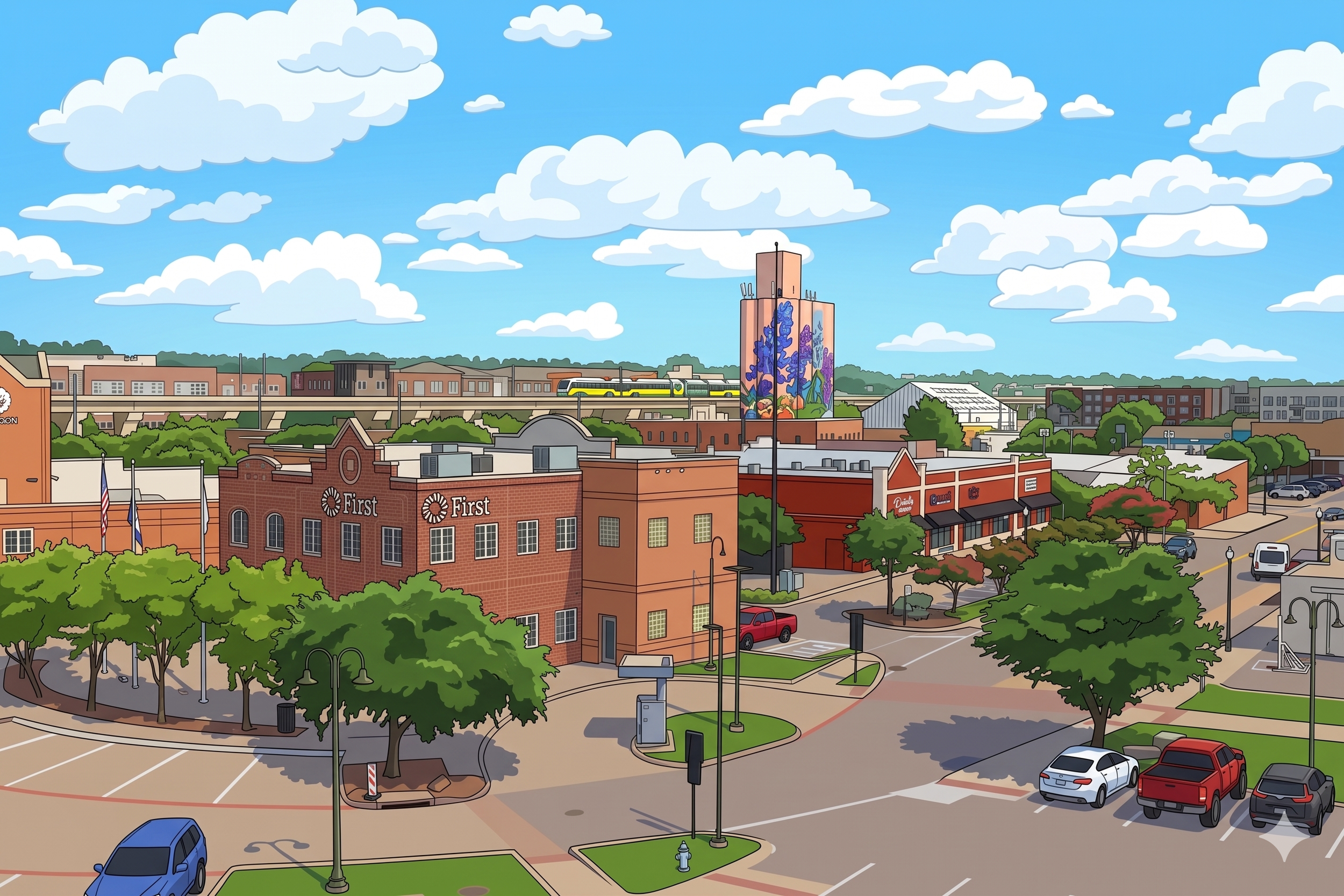
This is a cartoonized image of downtown Carrollton, TX, generated by Gemini AI.
I am grateful for this opportunity, but I am mostly grateful that God is working in the midst of us. Whether it is inside the walls of the church or beyond, God continuously labors to give grace to all who live in this world. As a die-hard Methodist, I confidently and ferociously affirm the Prevenient Grace of God that goes before me and those that I will encounter. I am honored that I am invited to be part of God’s work, and there is so much joy in being invited to be part of God’s work.
Please continue to pray for me and my family that we may be found faithful doing this work in this upcoming season of our ministry!
References
(1) https://www.churchofengland.org/faith-life/vocations/explore-ministries/pioneering
(2) Donald A. McGavran (1955) The Bridges of God: A Study in the Strategy of Missions
(3) Joe Graves (2025) The Progressive Planter: A Handbook for Ecclesial Entrepreneurs.
(4) Roger S. Greenway (2010) Donald A. McGavran’s Advice to Urban Church Planters.
(5) I owe this wonderful analogy to my dear husband who is an amazing thinker!
(6) https://freshexpressions.org.uk/what-is-fx/the-mixed-ecology/
(7) This is the brand new vision statement of the United Methodist Church. https://www.umc.org/en/who-we-are/the-umc-vision
(8) Michael Adam Beck with Jorge Acevedo (2020), A Field Guide to Methodist Fresh Expressions